

Every building in Massachusetts has the same carpet problem from the first storm to the last: a white, crusty, spreading stain that starts at the front door and works its way toward the elevators. It's salt — and it does more damage than the dirt it comes in with.
What salt actually does to carpet
Rock salt and calcium- or magnesium-chloride de-icers dissolve in melting snow, get tracked in on hundreds of pairs of boots, and dry into the fiber as crystals. Those crystals are abrasive, so every step grinds them against the pile. They're also hygroscopic — they pull moisture from the air — so the carpet stays damp, attracts more soil and can develop odor. And the alkaline residue is what leaves the white bloom that mopping and vacuuming just move around. On tile, the same residue dulls the finish and fills the grout.
During the season
- Matting, and more of it than feels necessary. A scraper mat outside, an absorbent mat inside, long enough that people take several steps on it. Rotate and clean mats weekly — a saturated mat is a salt dispenser.
- Vacuum entrances daily, more on storm days. Dry crystals come up with a vacuum; once they're wet and ground in, they don't.
- Wipe up slush immediately in lobbies. Standing meltwater is how salt migrates into the backing.
- Interim extraction of the entrance zone mid-season on heavy buildings — a quick pass in January stops the damage from compounding until spring.
- Ask your snow contractor what they're spreading. Some de-icers are far harder on interior finishes than others, and the choice is usually negotiable.
Why the spring clean is the one to keep
Salt residue doesn't vacuum out and doesn't respond to normal carpet cleaning chemistry — it needs an acidic rinse to neutralize it before extraction, otherwise it stays in the fiber all summer, abrading and attracting soil. A spring restoration clean with the right pre-treatment, applied to the entrance zones and traffic lanes, removes the season's residue in one visit and is the single most effective thing you can do for the life of lobby carpet in New England. The same visit should hit lobby tile and grout, which by April is holding a winter's worth of de-icer.
A simple winter calendar
| When | What |
|---|---|
| November | Mats in place; entrance zone extracted so you start the season clean |
| December–March | Daily entrance vacuuming; weekly mat rotation; slush wiped up same day |
| Mid-January (heavy buildings) | Interim extraction of entrance zone |
| April | Full restoration clean of entrances and traffic lanes with salt-neutralizing rinse; lobby tile and grout restored |
Questions we get about this
Related services
Keep reading
More guides for facility managers
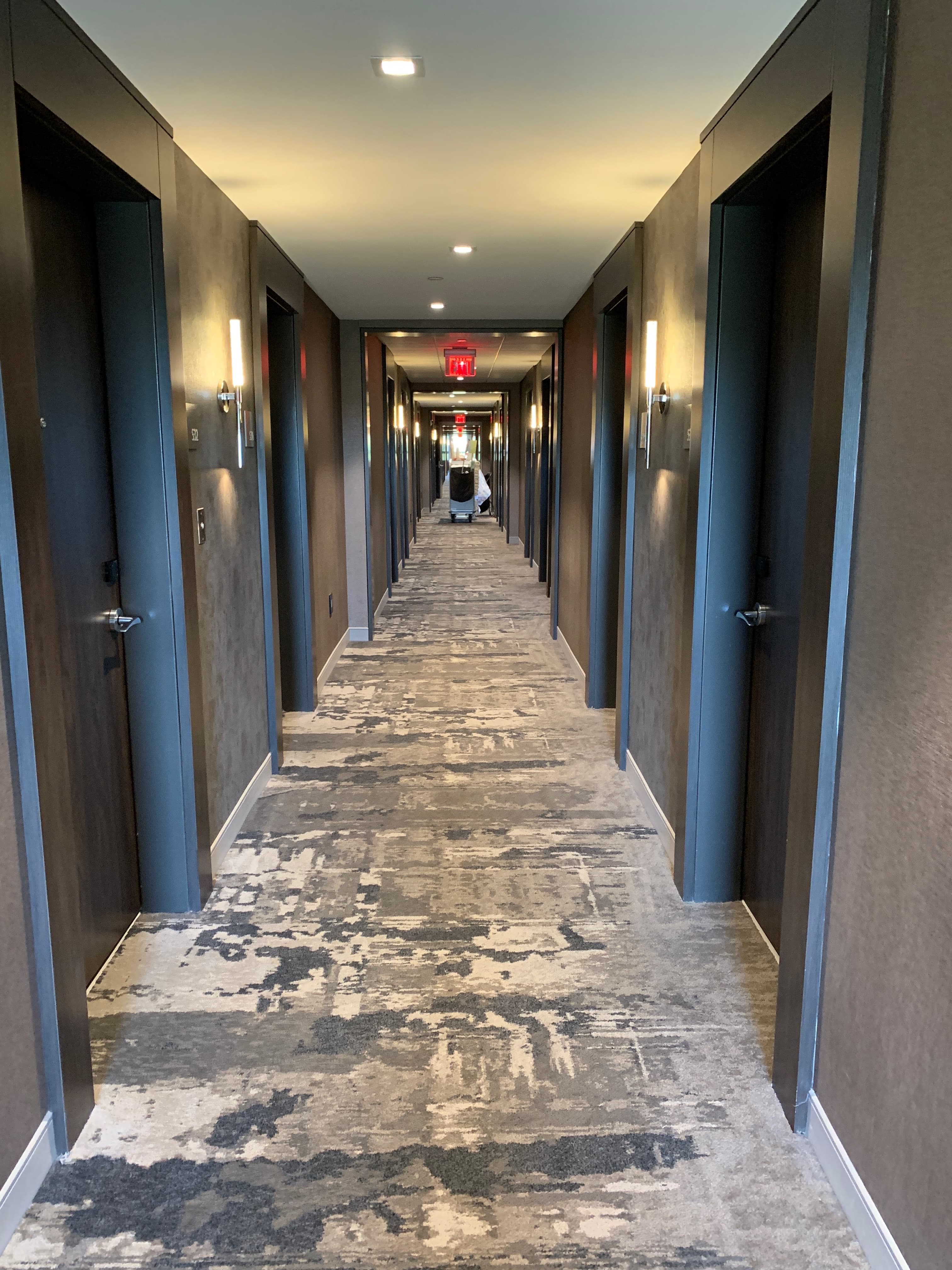
Carpet · 6 min
How often should commercial carpet be cleaned?
Deep-extraction frequency for hotel corridors, senior living common areas, offices and healthcare — and the daily/weekly maintenance that stretches the time between visits.
Read the guide
Carpet · 5 min
Truck-mounted vs. portable extraction
The difference in heat, pressure and recovery between truck-mounted and portable carpet cleaning equipment — and what it means for dry time, residue and how long a commercial carpet stays clean.
Read the guide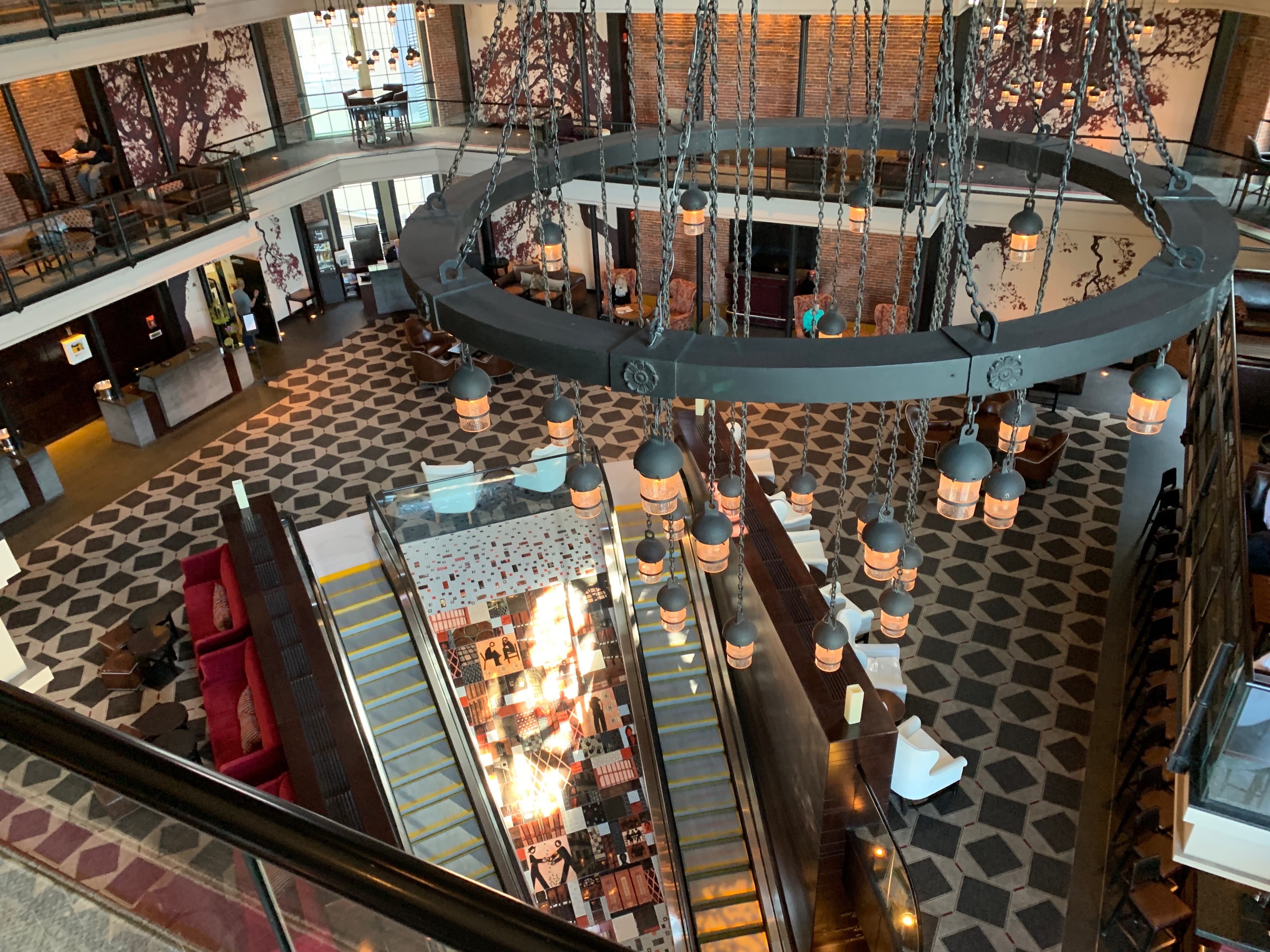
Hotels · 6 min
Hotel carpet cleaning without disrupting guests
How hotels across Massachusetts keep corridors, lobbies and ballrooms guest-ready with overnight extraction, block scheduling for guest rooms and a maintenance calendar that survives high season.
Read the guide