
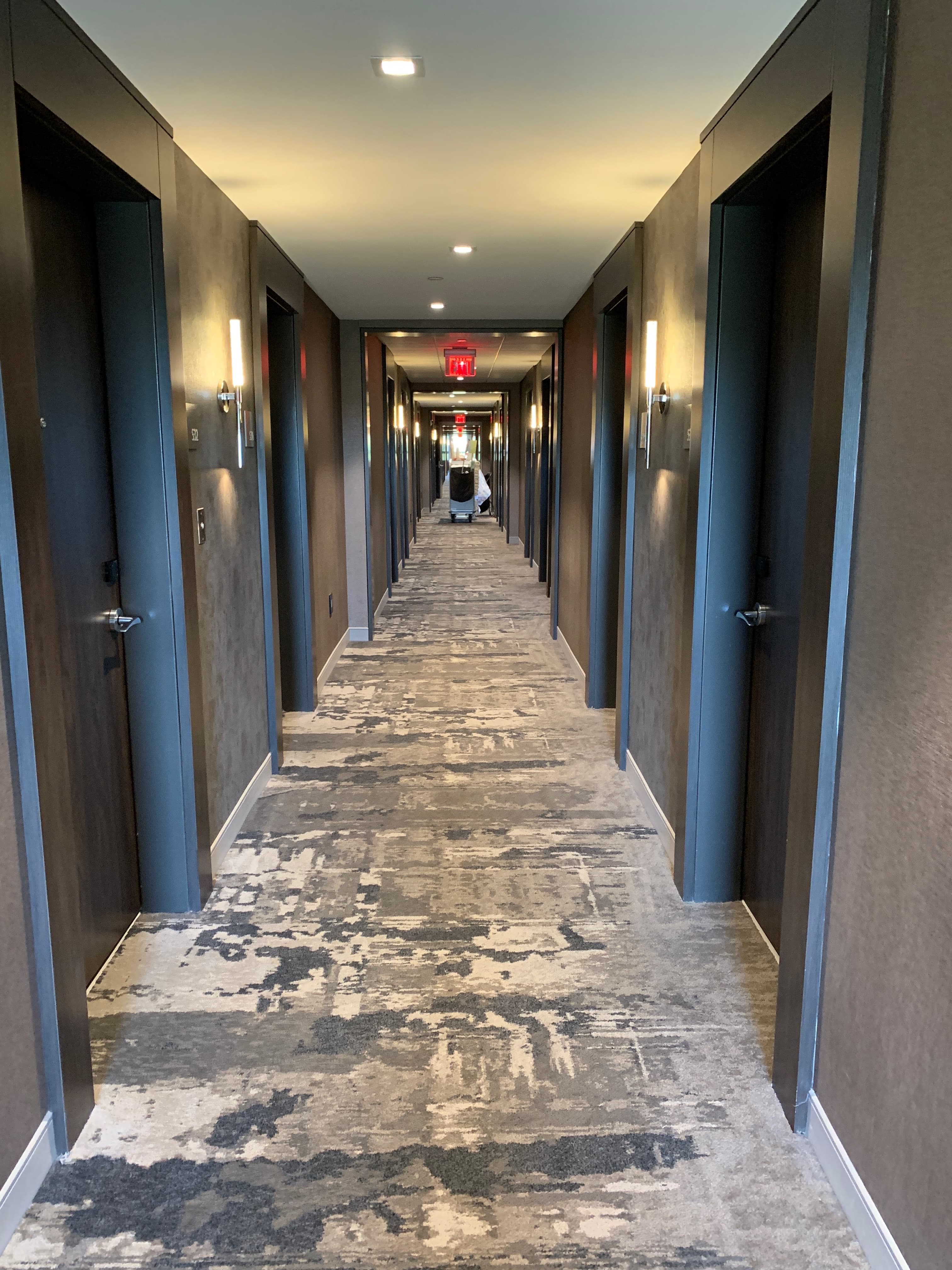
The honest answer is: it depends on foot traffic, not the calendar. A hotel corridor with two hundred guests a night and a law office lobby that sees thirty people a day are different animals, and cleaning them on the same schedule wastes money on one and shortens the life of the carpet on the other. Below is the framework we use when we set up maintenance programs for commercial accounts across Massachusetts and New England.
Three layers of carpet care
Commercial carpet stays clean through three layers of work, and the deep-clean frequency only makes sense once the first two are in place.
- Daily vacuuming with a commercial-grade upright. This removes dry soil before it gets ground into the fiber. Roughly three-quarters of what ends up in a carpet is dry particulate, and a vacuum handles it for pennies.
- Spot and spill response the same day. A spill that sits for a week becomes a stain; a stain that gets scrubbed with the wrong product becomes a permanent wear mark.
- Periodic hot-water extraction (deep cleaning) to remove the oily, bonded soil that vacuuming can't. This is the visit you schedule with a contractor.
Recommended deep-clean frequency by facility
| Area | Traffic | Deep extraction |
|---|---|---|
| Hotel corridors, elevator lobbies, ballroom pre-function | Very heavy | Every 2–3 months, with interim bonnet or encapsulation passes |
| Hotel guest rooms | Moderate | Every 6–12 months, or on turnover for suites |
| Senior living dining rooms and common areas | Heavy, plus spills | Every 3 months |
| Senior living resident corridors | Heavy | Every 3–6 months |
| Corporate office open floor | Moderate | Every 6 months |
| Office lobbies, break rooms, main walkways | Heavy | Every 3–4 months |
| Healthcare waiting areas | Heavy, sanitation-sensitive | Every 3 months |
| Conference rooms, private offices | Light | Annually |
Treat these as starting points. The first two visits tell you a lot — if the extraction water is still coming back dark at six months, shorten the interval. If a lightly used area looks and smells fine, stretch it.
Signs you've waited too long
- Traffic lanes are visibly darker than the carpet under furniture — soil has bonded to the fiber and is abrading it every time someone walks on it.
- Vacuuming no longer brightens the pile.
- A musty or sour odor returns within a day of vacuuming — that's organic soil in the backing, not the surface.
- Spots reappear a few days after they're removed ("wicking"), which means the soil is deep in the pad or backing.
- Matting and crushing in walkways that won't groom back up.
Why the method matters as much as the frequency
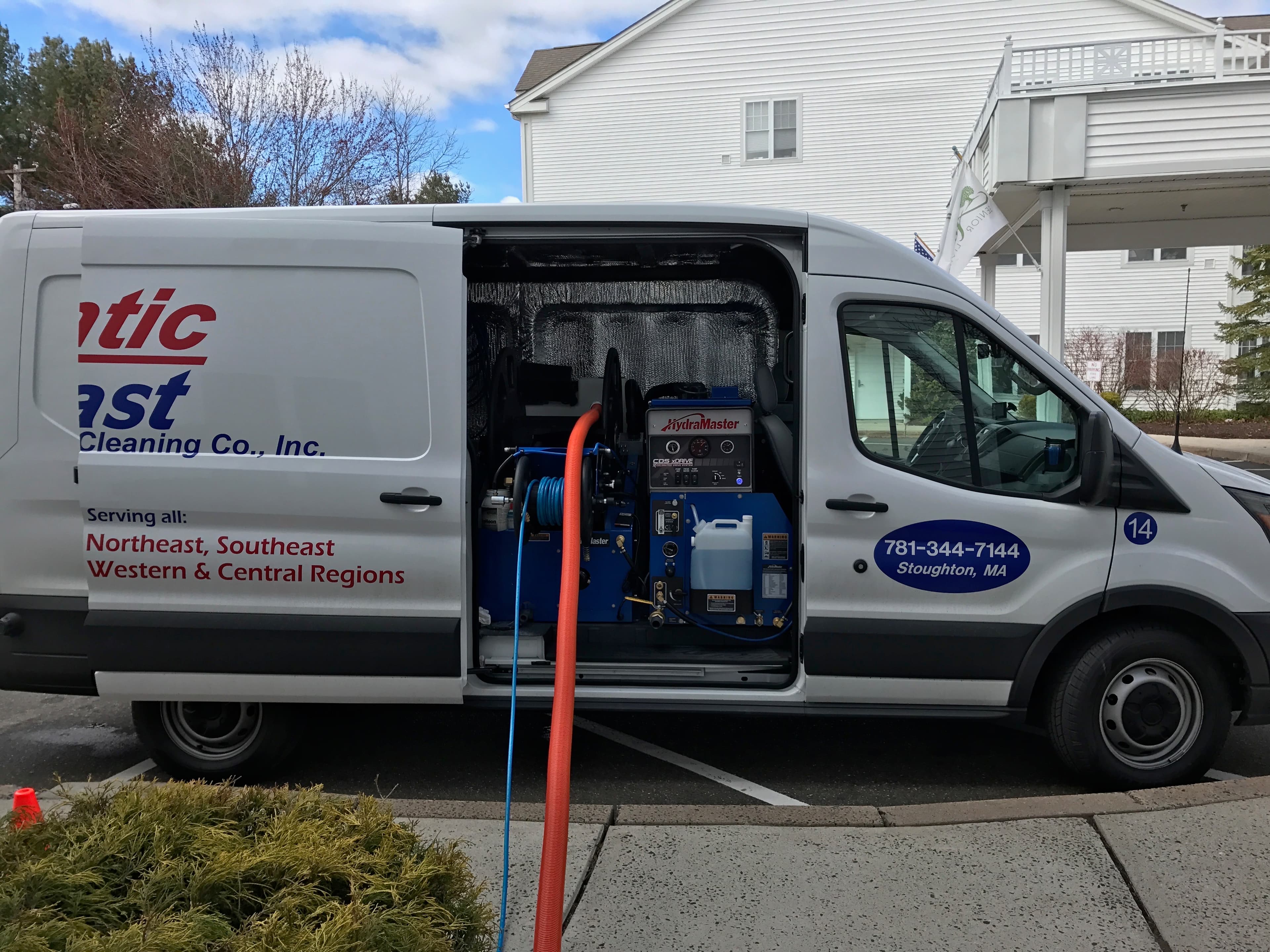
Not every deep clean is equal. A portable unit rented from a hardware store recovers a fraction of the water it puts down; what stays behind is a damp, soapy backing that attracts soil faster than before — which is why some managers feel like their carpet gets dirty faster after cleaning. Truck-mounted hot-water extraction runs hotter, applies more pressure, and pulls far more water back out, so the carpet dries in hours and stays clean longer. Our equipment stays in the truck; only the hose comes inside.
Setting up a maintenance program
For most New England commercial accounts we map the building into traffic zones, assign each zone a frequency, and put the whole year on a calendar with overnight or off-peak windows. The building sees a dedicated crew who knows the layout, and the facilities team stops thinking about it. If you'd like us to walk your property and recommend a schedule, that walkthrough is free.
Questions we get about this
Related services
Keep reading
More guides for facility managers
Carpet · 5 min
Truck-mounted vs. portable extraction
The difference in heat, pressure and recovery between truck-mounted and portable carpet cleaning equipment — and what it means for dry time, residue and how long a commercial carpet stays clean.
Read the guide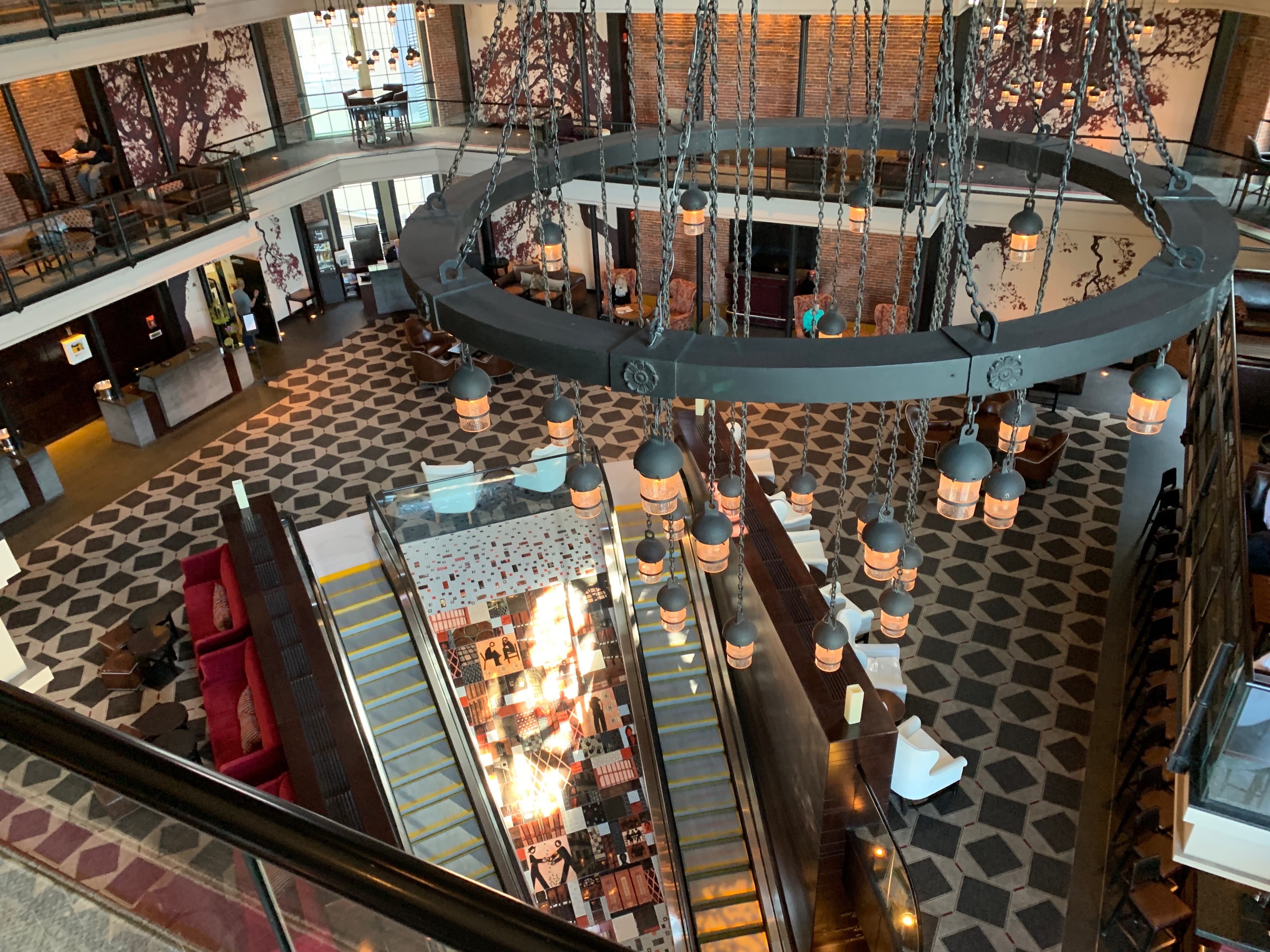
Hotels · 6 min
Hotel carpet cleaning without disrupting guests
How hotels across Massachusetts keep corridors, lobbies and ballrooms guest-ready with overnight extraction, block scheduling for guest rooms and a maintenance calendar that survives high season.
Read the guide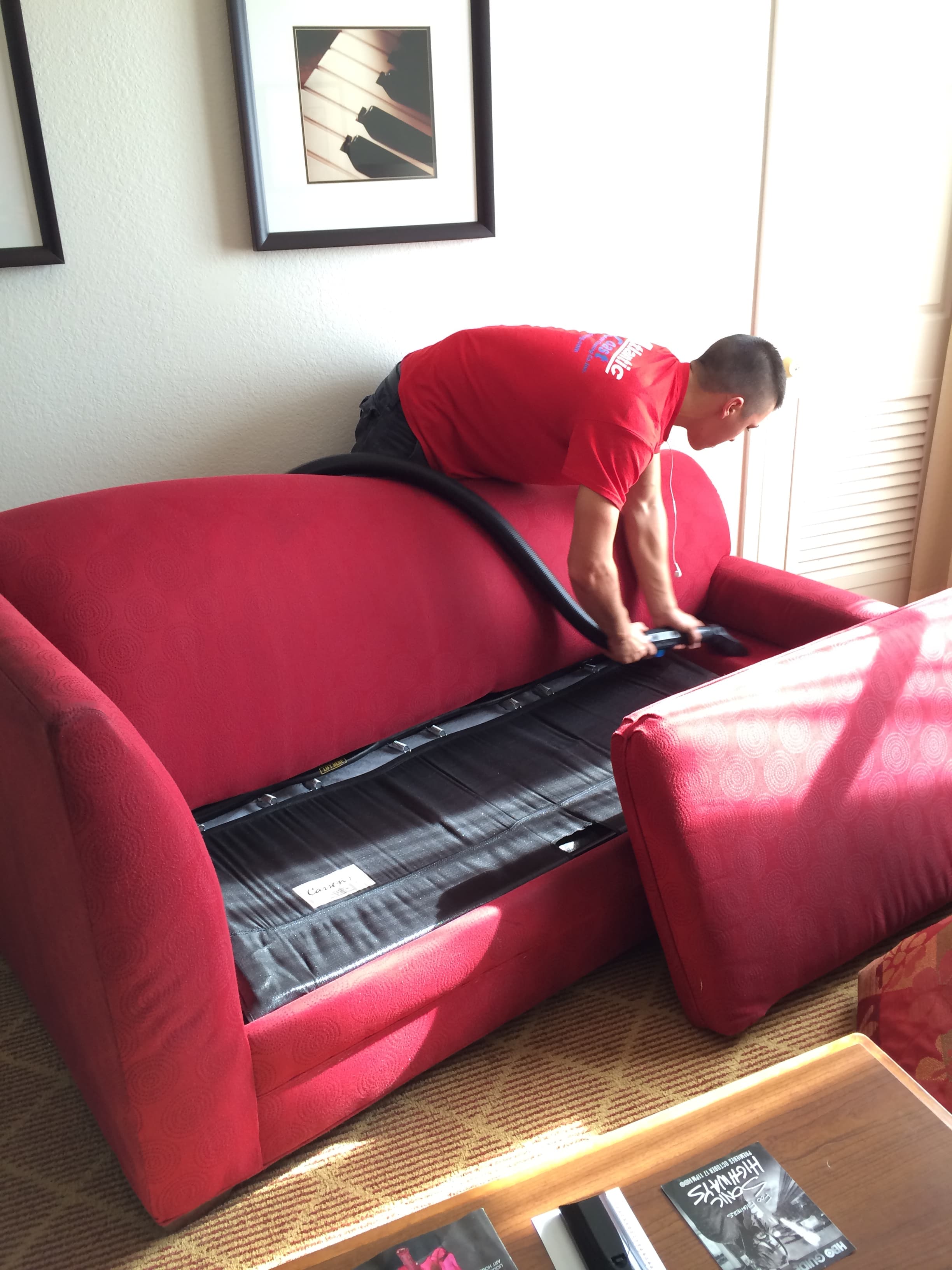
Senior Living · 6 min
Senior living carpet cleaning: odor and resident safety
Why senior living carpet needs a different approach — low-VOC chemistry, fast dry times, odor control at the source, and scheduling that respects residents' routines.
Read the guide