
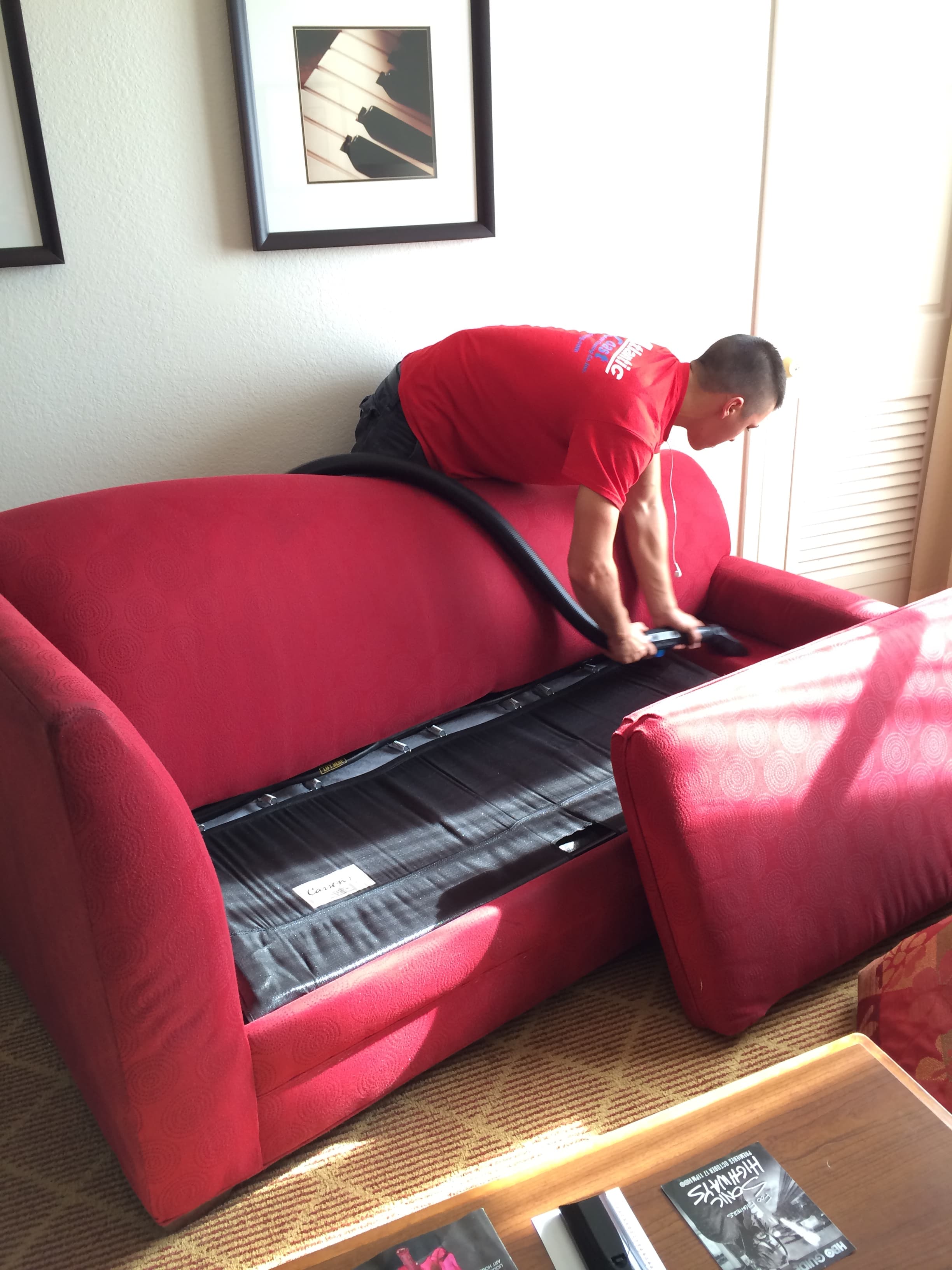
Senior living communities are homes, care environments and hospitality operations at the same time. The carpet in a memory-care corridor or an assisted-living dining room carries a load that an office never sees — spills, incontinence incidents, medication residue, walkers and wheelchairs — and the people living on it are the most sensitive to chemicals, damp and odor. That changes how the work has to be done.
Odor: treat the source, not the air
Persistent odor in a senior living building almost always lives in the carpet backing and pad, not the surface. Surface cleaning and air fresheners mask it for a day. Removing it means extracting the organic soil at depth and, where an incident has soaked through, treating the backing with an enzyme or oxidizing product before extraction. Hot-water extraction with strong recovery is the only method that reaches that layer and pulls the contamination out rather than pushing it deeper.
- Incident areas should be flagged for the crew so they get pre-treatment, not just a pass with the wand.
- Dining rooms need a shorter interval than corridors — food and beverage soil is the fastest to turn.
- Persistent odor after a proper extraction usually means the pad is saturated; that section should be replaced.
Chemistry: low-VOC, low-residue, no fragrance masking
Residents with respiratory conditions, dementia or chemical sensitivities react to strong fragrances and solvent-heavy products. We use commercial-grade, low-VOC solutions selected for occupied buildings, rinse thoroughly so no sticky residue is left to attract soil, and avoid perfumed products altogether. Clean carpet should smell like nothing.
Dry time is a safety issue
In an office, a damp corridor is an inconvenience. In senior living it's a fall risk. Fast recovery matters here more than anywhere: with truck-mounted extraction, corridors are typically dry within a few hours, and we can section work so residents always have a dry route. Wet-floor signage, air movers where appropriate, and coordination with nursing on who's mobile at what hour are part of the plan, not an afterthought.
Scheduling around residents, not around the building
Unlike a hotel, a senior community is never empty, and overnight isn't automatically the best window — some residents are up, and staff is thin. What usually works: dining rooms right after the last meal service, common areas mid-morning after activities move outside or to another room, corridors in the early afternoon during rest hours, and memory-care wings at the time the care team recommends. The crew stays quiet, keeps equipment outside, and works in short sections.
What the community's team should expect from a vendor
- Background-checked, insured technicians who understand they're working in someone's home.
- A written schedule by wing and area, agreed with the executive director and nursing.
- Same crew each visit where possible, so the building layout and resident routines are familiar.
- Documentation for state surveys if requested — products used, dates and areas.
- A single vendor for carpet, upholstery, dining chairs and tile so there's one relationship to manage.
Questions we get about this
Related services
Keep reading
More guides for facility managers
Carpet · 6 min
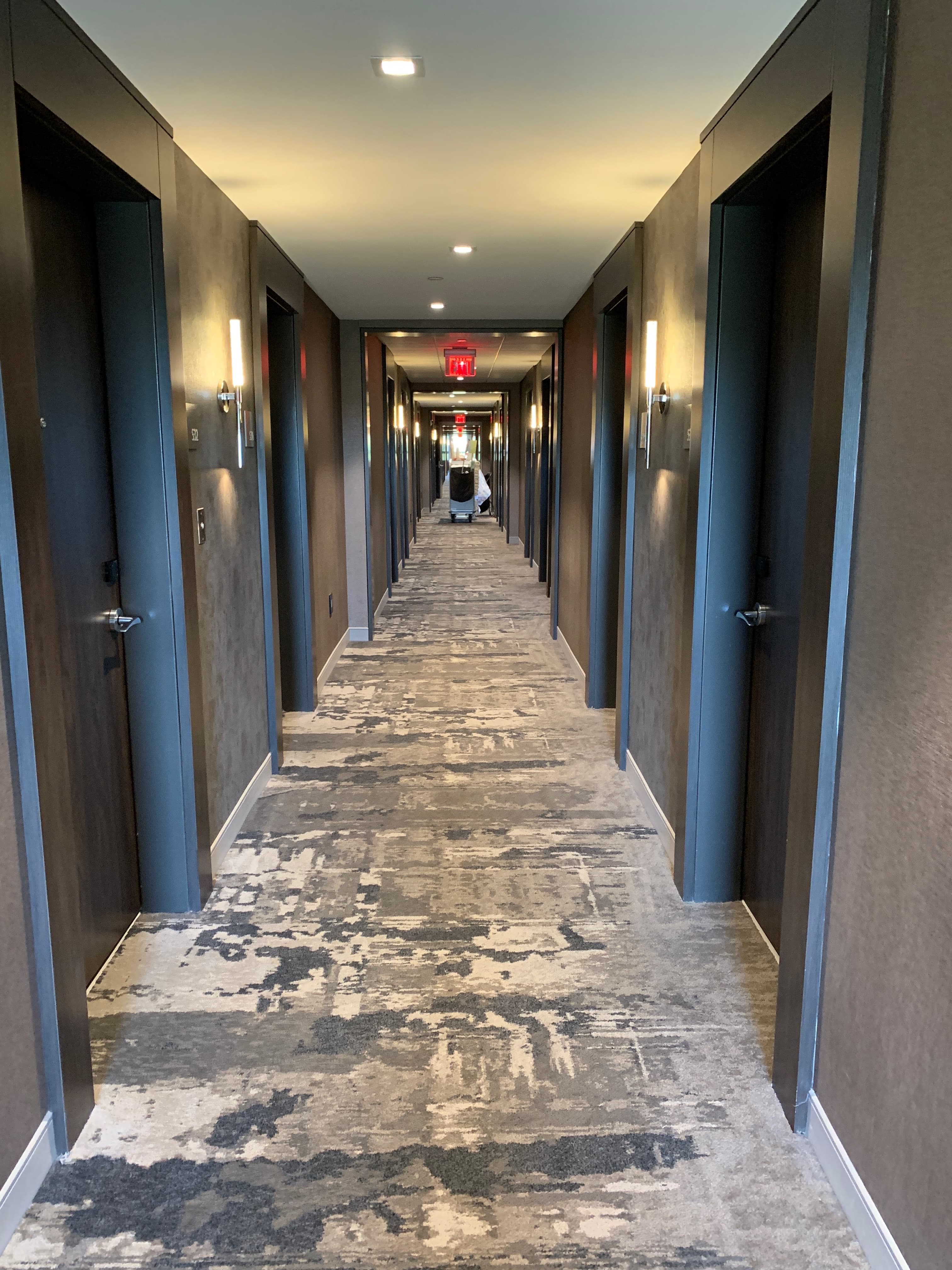
How often should commercial carpet be cleaned?
Deep-extraction frequency for hotel corridors, senior living common areas, offices and healthcare — and the daily/weekly maintenance that stretches the time between visits.
Read the guide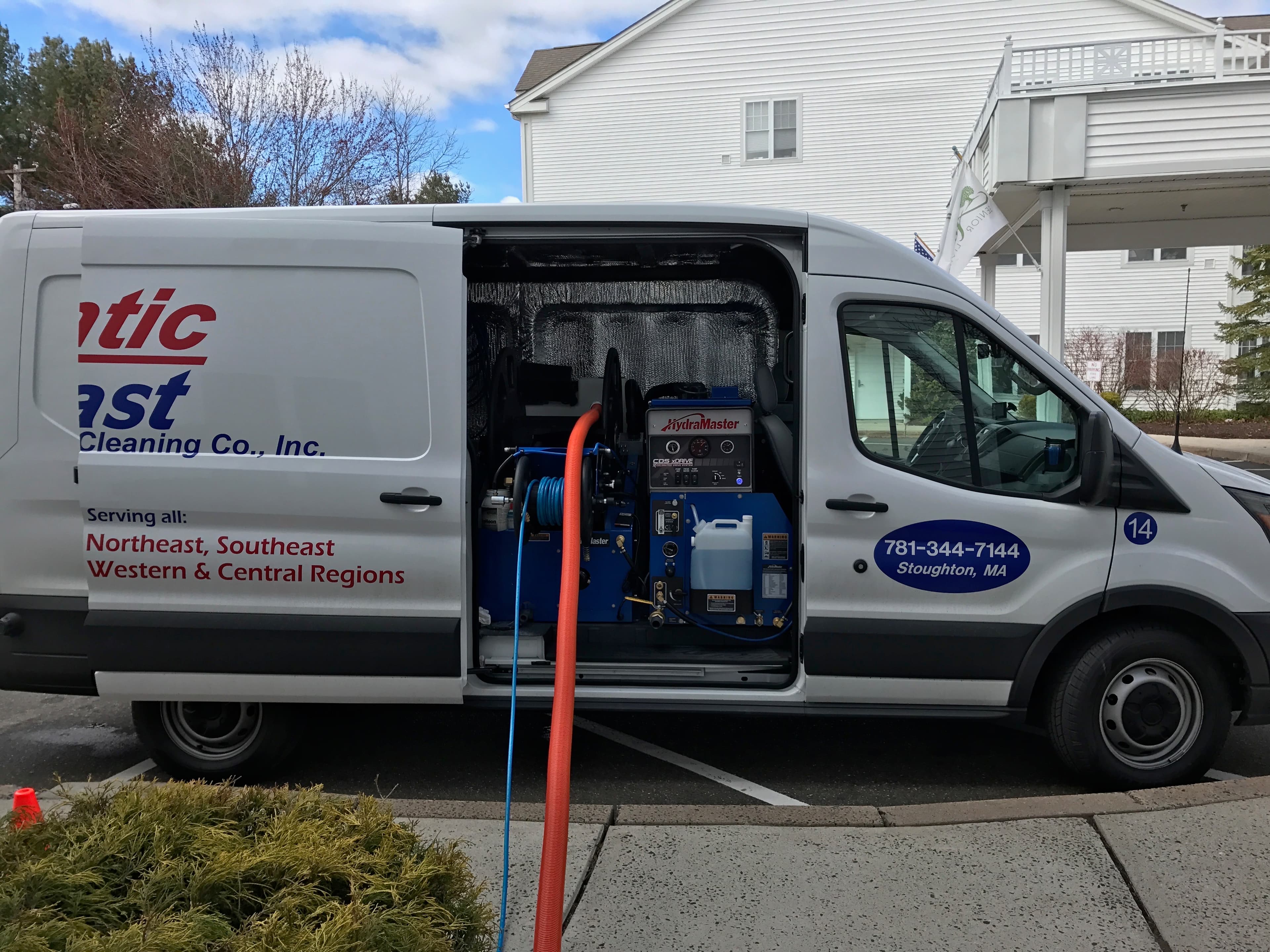
Carpet · 5 min
Truck-mounted vs. portable extraction
The difference in heat, pressure and recovery between truck-mounted and portable carpet cleaning equipment — and what it means for dry time, residue and how long a commercial carpet stays clean.
Read the guide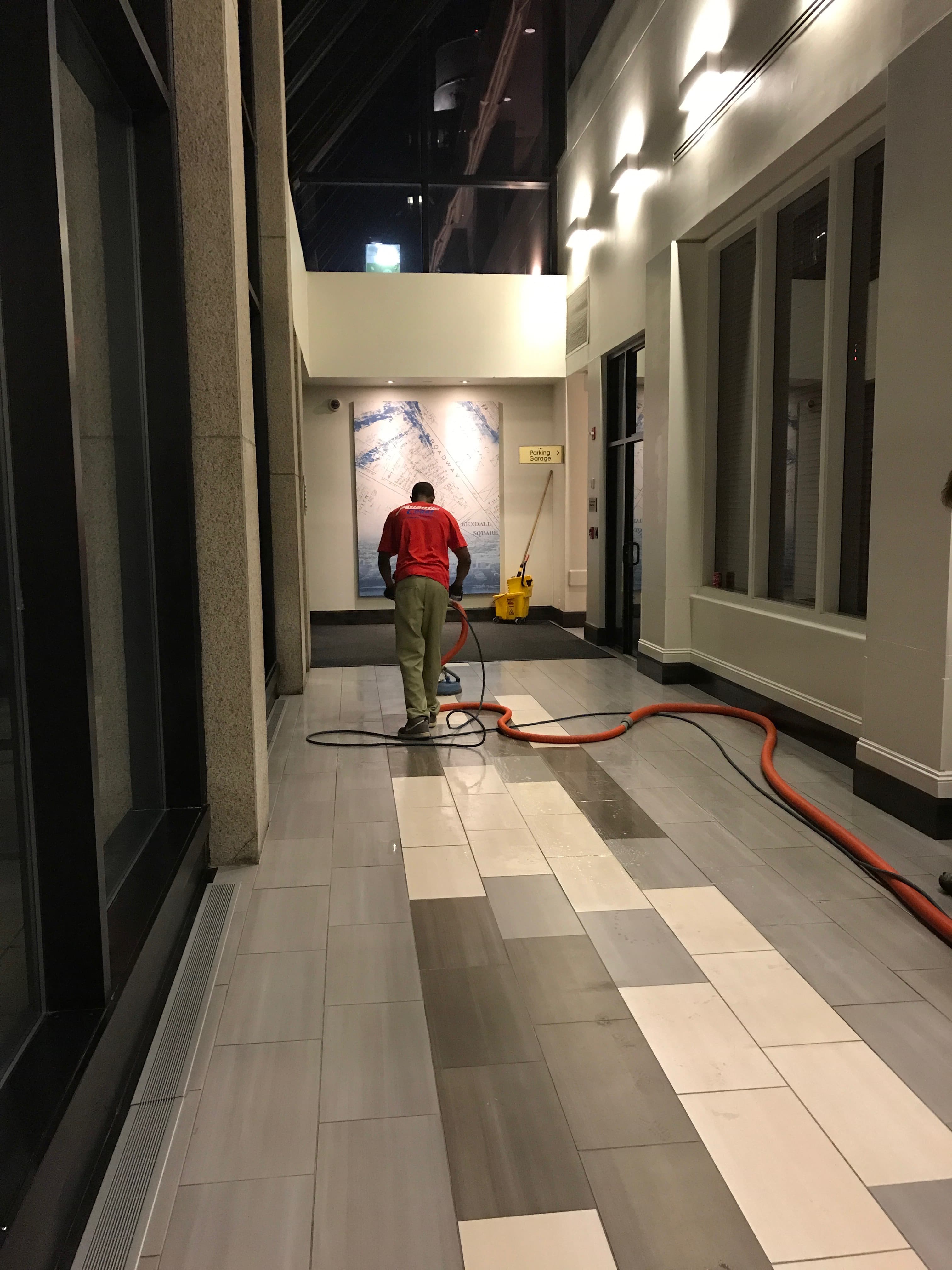
Tile & Grout · 5 min
Why grout turns dark, and how to restore it
What makes tile and grout in commercial restrooms, kitchens and lobbies discolor, why mopping makes it worse, and how high-pressure, high-temperature restoration brings it back.
Read the guide