
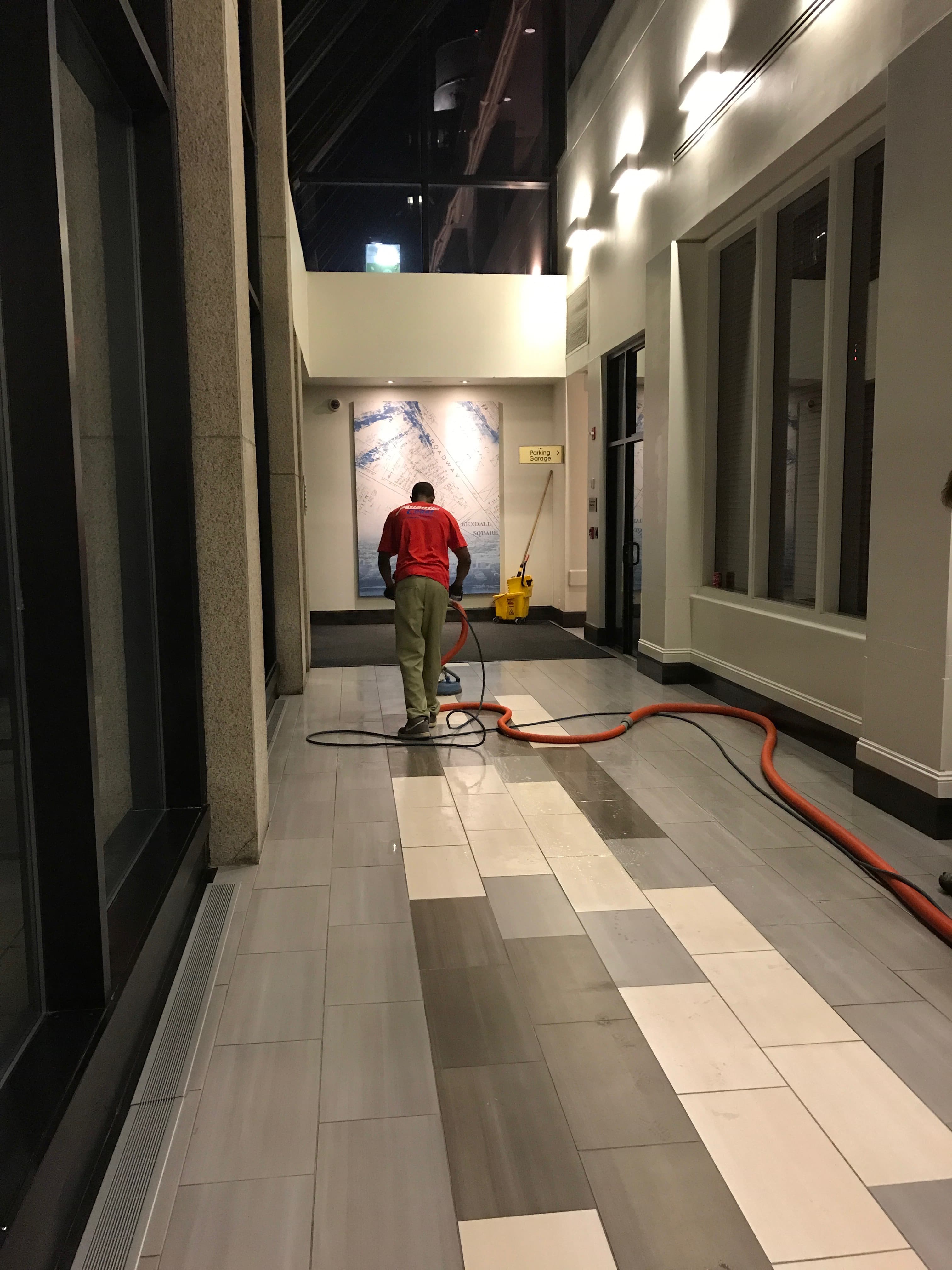
Tile floors in commercial buildings are chosen because they're durable and easy to maintain — and then, a few years in, the grout lines go from light gray to brown to nearly black and the whole floor looks tired. The tile is fine. The grout isn't. Here's what's actually happening and what fixes it.
Grout is a sponge
Cement-based grout is porous. Every mop pass pushes dirty water into it, and as the water evaporates, the soil stays. Add cooking grease in a kitchen, body oils and soap in a restroom, salt and de-icer in a lobby, and the pores fill with a bonded film that a mop can't touch. Standard floor cleaners are usually neutral pH and designed for tile, not for the organic buildup inside grout — so daily cleaning keeps the tile presentable while the grout slowly darkens.
Why the usual fixes don't work
- Mopping harder or more often: spreads soil and drives more of it into the grout.
- Bleach: lightens the surface temporarily, doesn't remove the film, and degrades the grout and any sealer.
- Scrubbing by hand with a brush: works, at roughly one square foot a minute. Not a plan for a 4,000 sq ft lobby.
- Regrouting: the nuclear option — expensive, disruptive, and the new grout will darken the same way if nothing else changes.
What restoration cleaning does differently
Professional tile and grout restoration combines three things a mop can't: an alkaline pre-treatment that dissolves the bonded organic film, high-pressure hot water that flushes it out of the pores, and vacuum recovery that removes the dirty water instead of leaving it to dry back in. We use a 1,000 PSI turbo tool at 190°F — the pressure lifts what's in the grout, the heat breaks down grease and biological soil, and the enclosed head recovers the water so the floor is walkable quickly with no overspray on walls or fixtures. The result on most cement grout is a return to close to its original color.
Sealing: the step that makes it last
Once the grout is clean and dry, a penetrating sealer fills the pores so the next spill sits on the surface instead of soaking in. Sealed grout still needs cleaning, but the daily mop actually works and the restoration interval stretches from months to years. We recommend sealing after every restoration on floors that see water, grease or salt.
Where it matters most
| Area | Typical soil | Restoration interval |
|---|---|---|
| Hotel and restaurant restrooms | Body oils, soap film, urine | Every 6–12 months, sealed |
| Commercial kitchens and back of house | Grease, food, high heat | Every 6 months |
| Lobbies and entrances (New England) | Salt, de-icer, tracked grit | Annually, after winter |
| Pool decks and locker rooms | Body oils, chlorine, mildew | Every 6–12 months |
| Healthcare and senior living restrooms | Biological soil, sanitizer residue | Every 6 months |
Questions we get about this
Related services
Keep reading
More guides for facility managers
Carpet · 6 min
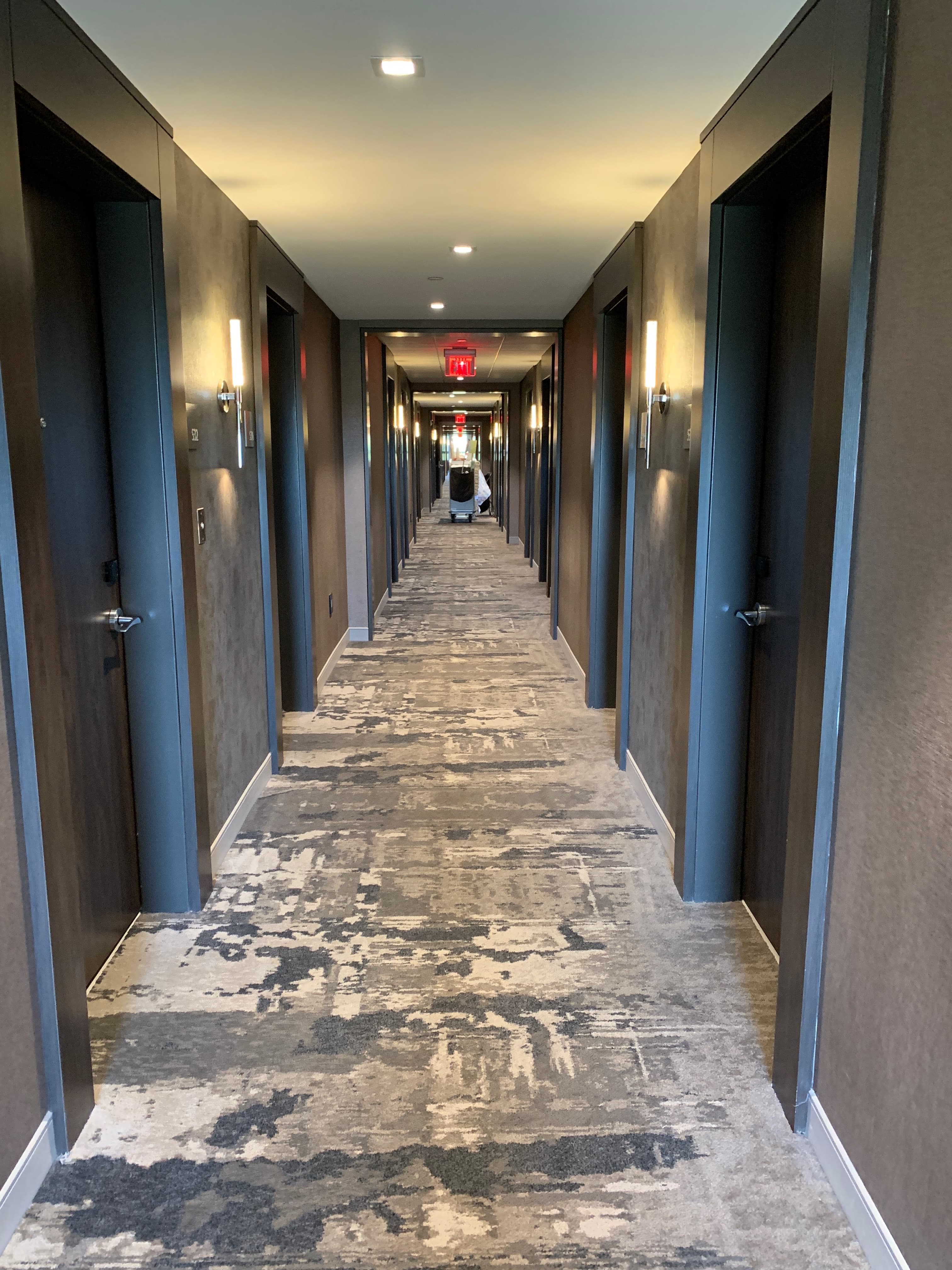
How often should commercial carpet be cleaned?
Deep-extraction frequency for hotel corridors, senior living common areas, offices and healthcare — and the daily/weekly maintenance that stretches the time between visits.
Read the guide
Hotels · 6 min
Hotel carpet cleaning without disrupting guests
How hotels across Massachusetts keep corridors, lobbies and ballrooms guest-ready with overnight extraction, block scheduling for guest rooms and a maintenance calendar that survives high season.
Read the guide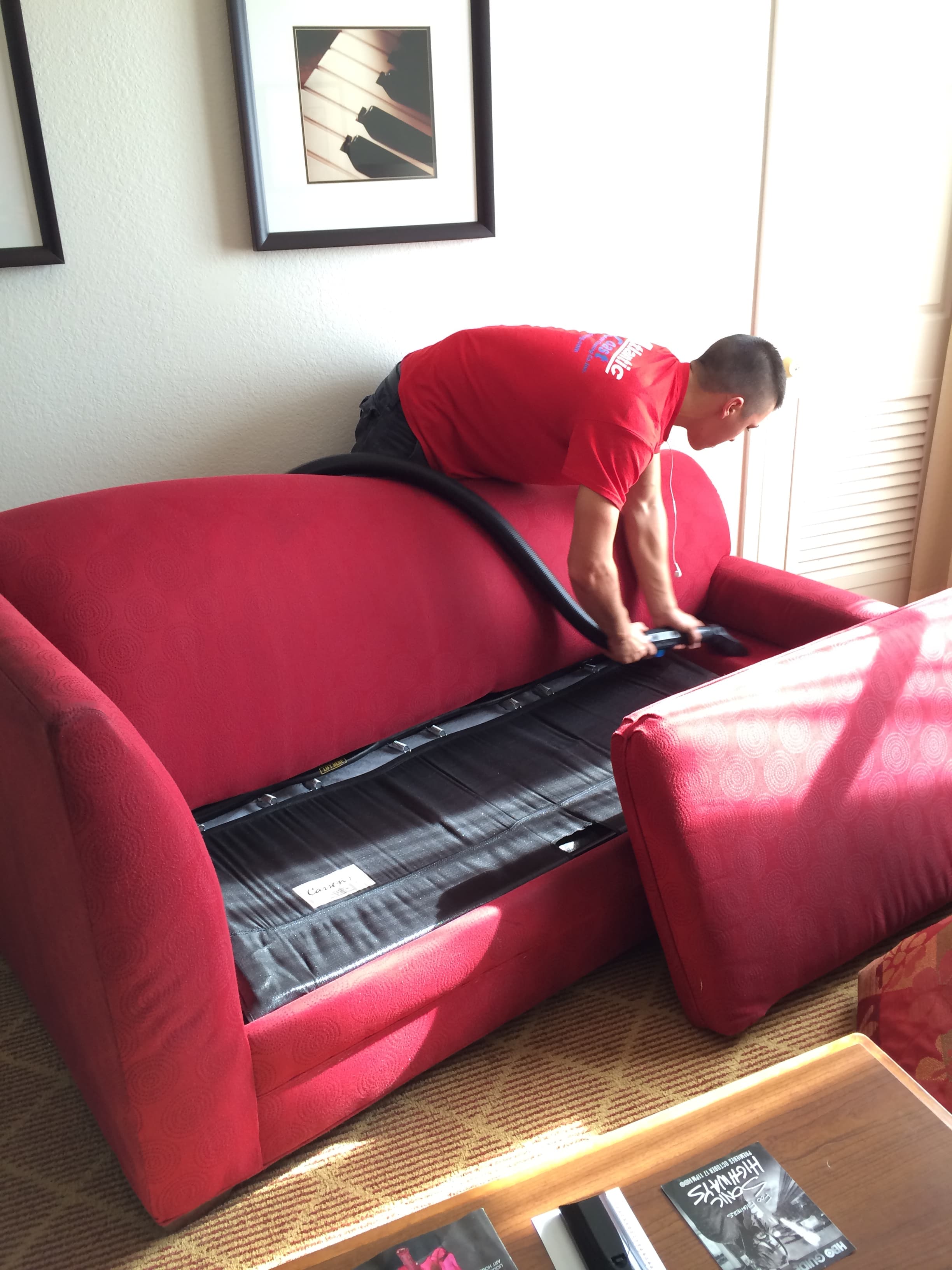
Senior Living · 6 min
Senior living carpet cleaning: odor and resident safety
Why senior living carpet needs a different approach — low-VOC chemistry, fast dry times, odor control at the source, and scheduling that respects residents' routines.
Read the guide