
Replacing commercial carpet is a capital project: procurement, installation, furniture moves, downtime. Cleaning it is an operating expense that happens overnight. So before the replacement line goes into next year's budget, it's worth knowing which problems a proper restoration clean will fix and which it won't.
What cleaning fixes
- Dark traffic lanes. Usually bonded soil, not wear. Hot-water extraction with pre-treatment restores most of the contrast.
- Dull, matted appearance. Soil load flattens pile; extraction plus grooming lifts it.
- Odor. Organic soil in the backing comes out with deep extraction and enzyme treatment.
- Most spots and spills, including ones that have "come back" — wicking is soil in the pad, which deep extraction reaches.
- Allergen and dust complaints. The load is in the carpet; extraction removes it.
What cleaning can't fix
- Fiber wear. If the pile is physically worn down in lanes — you can feel the difference — cleaning brightens it but doesn't restore height.
- Permanent stains: bleach spots, dye transfer, some rust and ink. Color is gone, not covered.
- Delaminated backing, rippling and seams pulling apart. Structural, often from past over-wetting.
- Saturated pad from repeated incidents in the same spot. The pad has to come out.
- Carpet past its lifespan. Well-maintained commercial carpet lasts many years; neglected carpet in heavy traffic can be done in a fraction of that.
The test we recommend
Pick the worst area — the elevator lobby, the dining room entrance — and have it restoration-cleaned as a trial. If it comes back to an acceptable standard, the rest of the floor will too, and you've bought another cycle before replacement. If the worst area still looks tired after a genuine deep clean, you have your answer, and you've spent very little to get it. We do this often for property managers weighing a capital request.
Extending the life of carpet you're keeping
- Walk-off matting at every entrance, long enough for several steps, cleaned or swapped weekly. This alone stops most tracked-in grit.
- Commercial vacuuming daily in traffic lanes, with a vacuum that actually has suction — most "carpet looks dirty fast" complaints trace back to the vacuum.
- Spot response the same day, with the right product. A bottle of professional spotter at the front desk pays for itself.
- Scheduled extraction on a calendar by traffic zone, so heavy areas are cleaned before they show.
- Interim maintenance — encapsulation or bonnet passes — between extractions in the heaviest areas.
Questions we get about this
Related services
Keep reading
More guides for facility managers
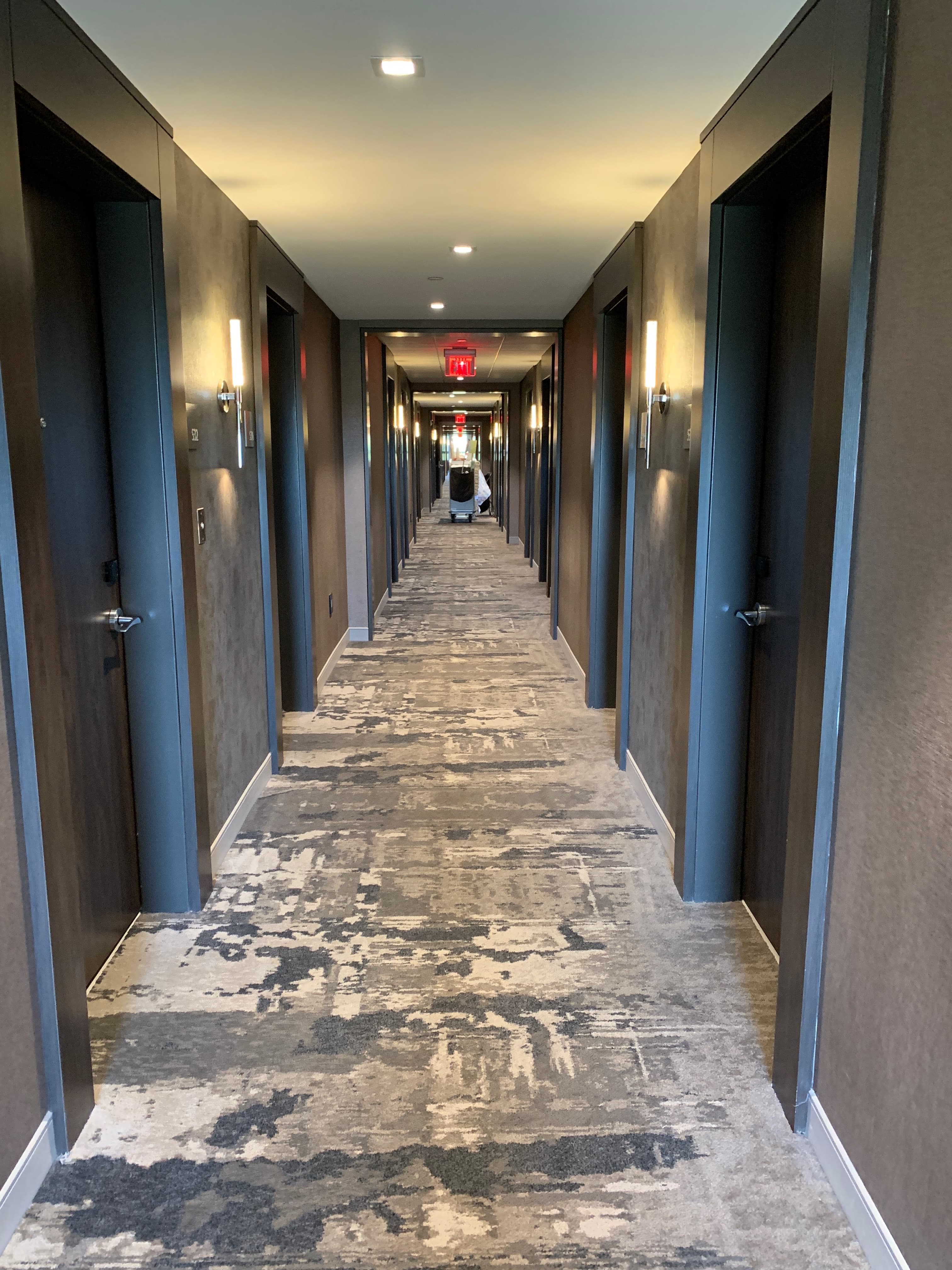
Carpet · 6 min
How often should commercial carpet be cleaned?
Deep-extraction frequency for hotel corridors, senior living common areas, offices and healthcare — and the daily/weekly maintenance that stretches the time between visits.
Read the guide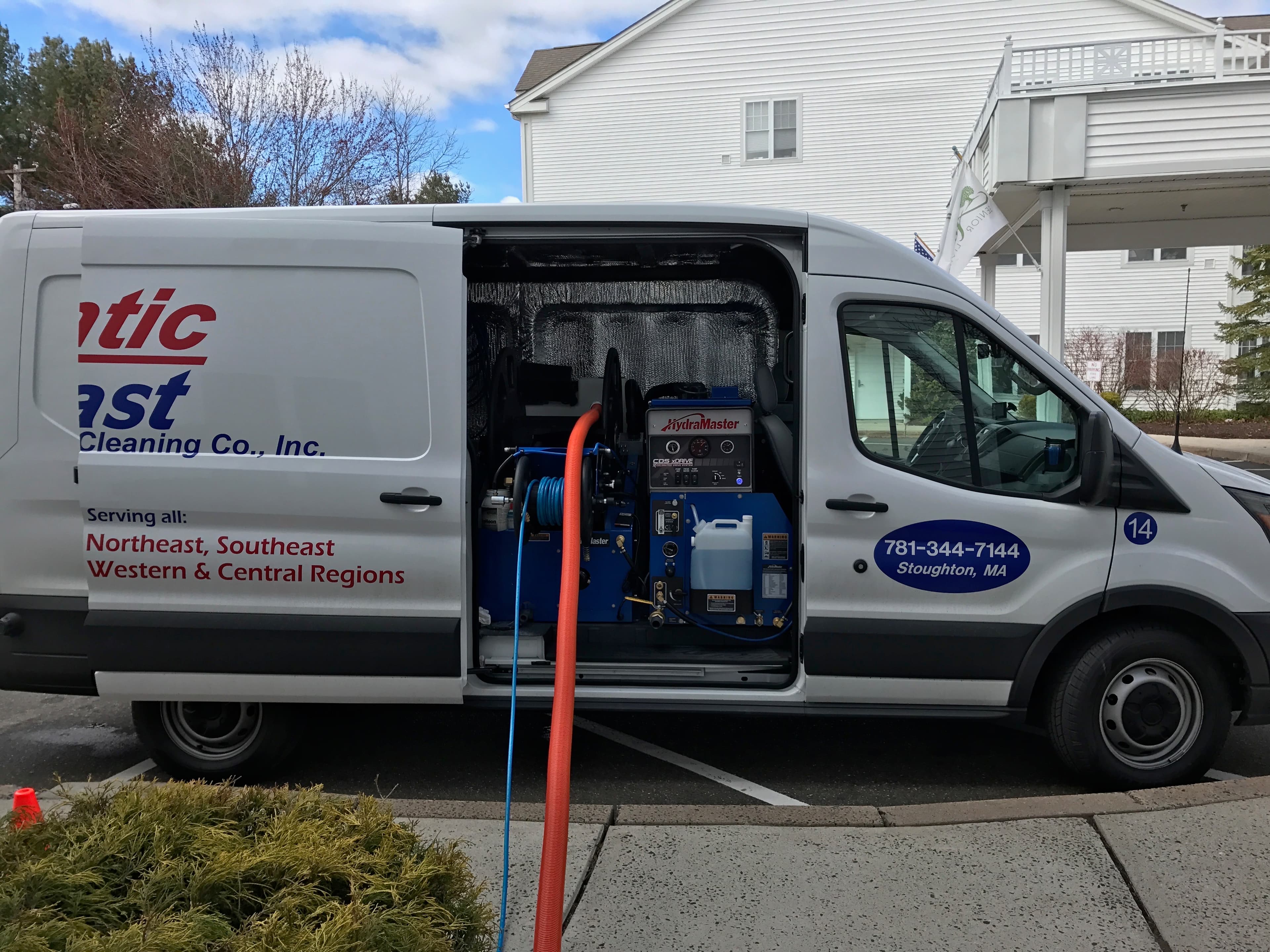
Carpet · 5 min
Truck-mounted vs. portable extraction
The difference in heat, pressure and recovery between truck-mounted and portable carpet cleaning equipment — and what it means for dry time, residue and how long a commercial carpet stays clean.
Read the guide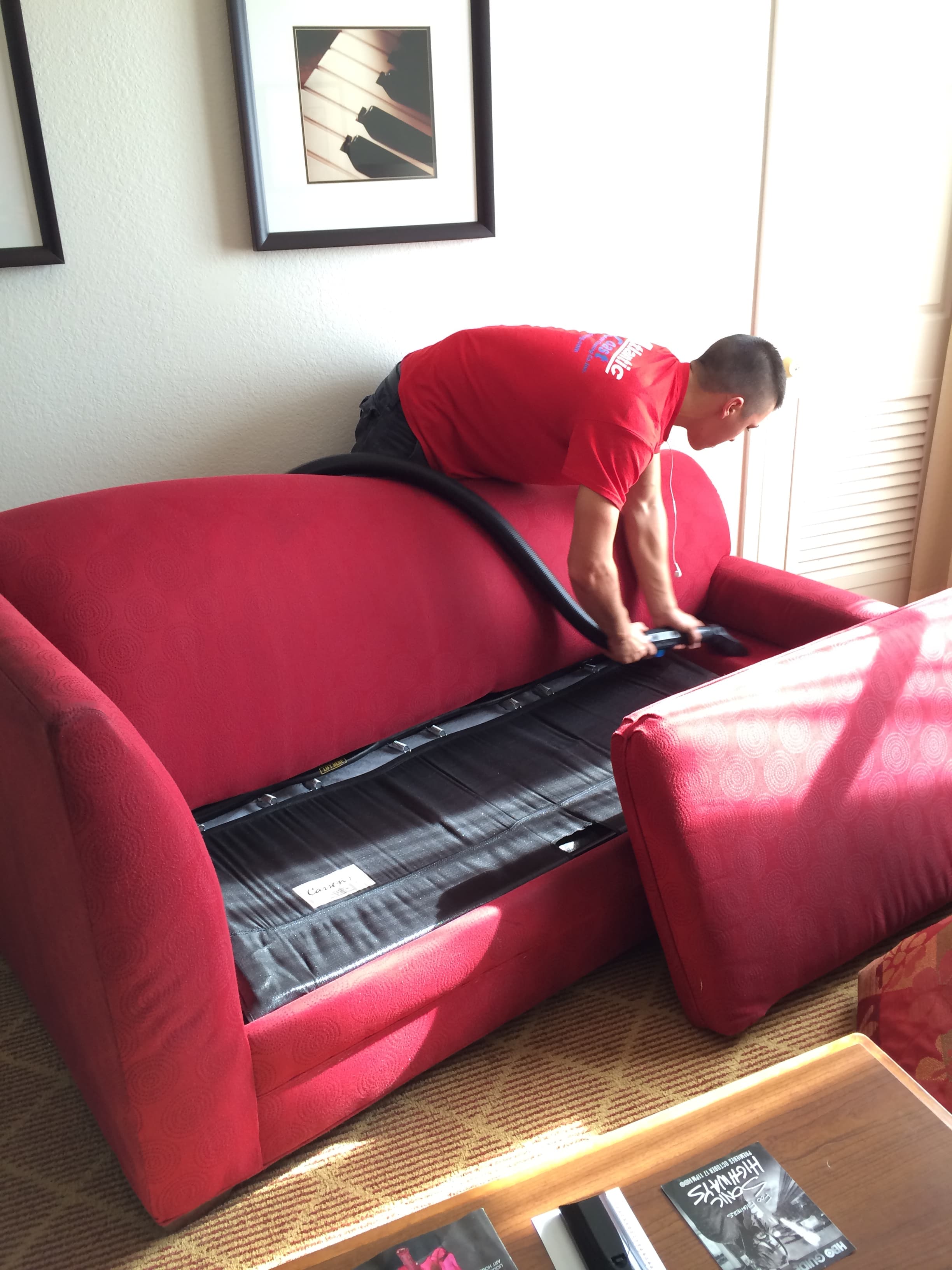
Senior Living · 6 min
Senior living carpet cleaning: odor and resident safety
Why senior living carpet needs a different approach — low-VOC chemistry, fast dry times, odor control at the source, and scheduling that respects residents' routines.
Read the guide